

Heads of the different support functions

  • Noémie Jolivet

    Noémie Jolivet

    Head of service
    Communication service
    Direction

    Communication

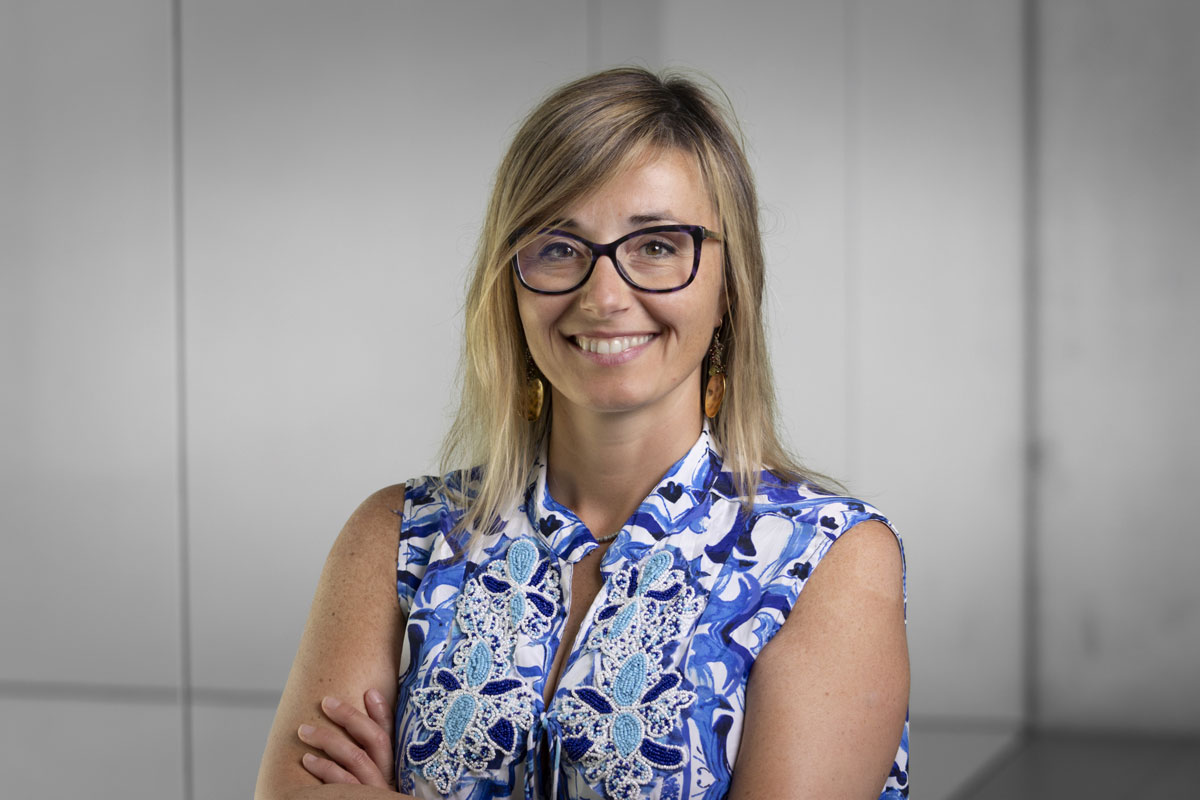
    The LNS Communication Service develops and implements the institution’s internal and external communication strategy. It plays a key role in building, disseminating, and enhancing the LNS’s image, ensuring its visibility among its various audiences.

    It creates tailored and engaging content (articles, videos, visuals, etc.), manages media relations, and organises events with a scientific, institutional, or general-public focus. It ensures that information is clear, consistent, and aligned with the LNS’s missions and values.

    Internally, the service keeps employees informed, creates dedicated communication materials, and organises initiatives that foster engagement and team cohesion.

    It also supports the Departments in promoting their projects and expertise, while ensuring consistency across the institution’s overall image.
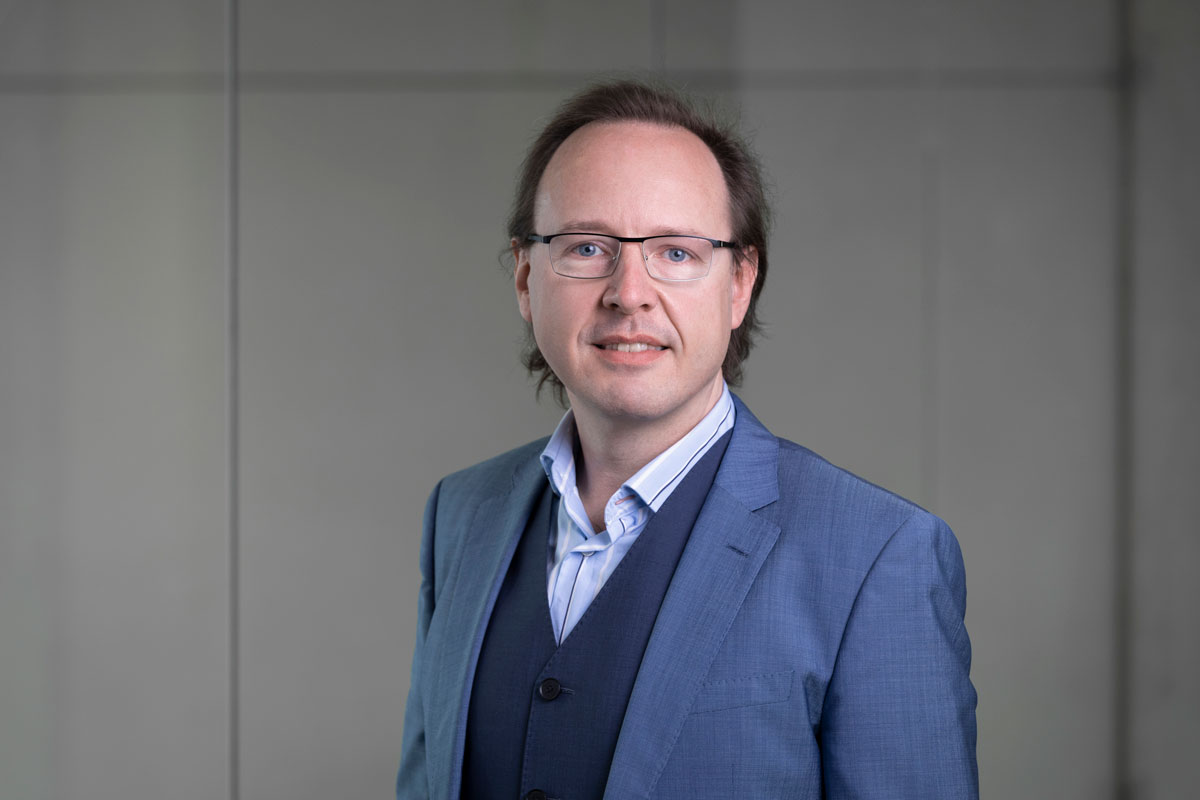
     

  • Cécile Granjard

    Cécile Granjard

    Risk Officer
    Direction

    Risk Management

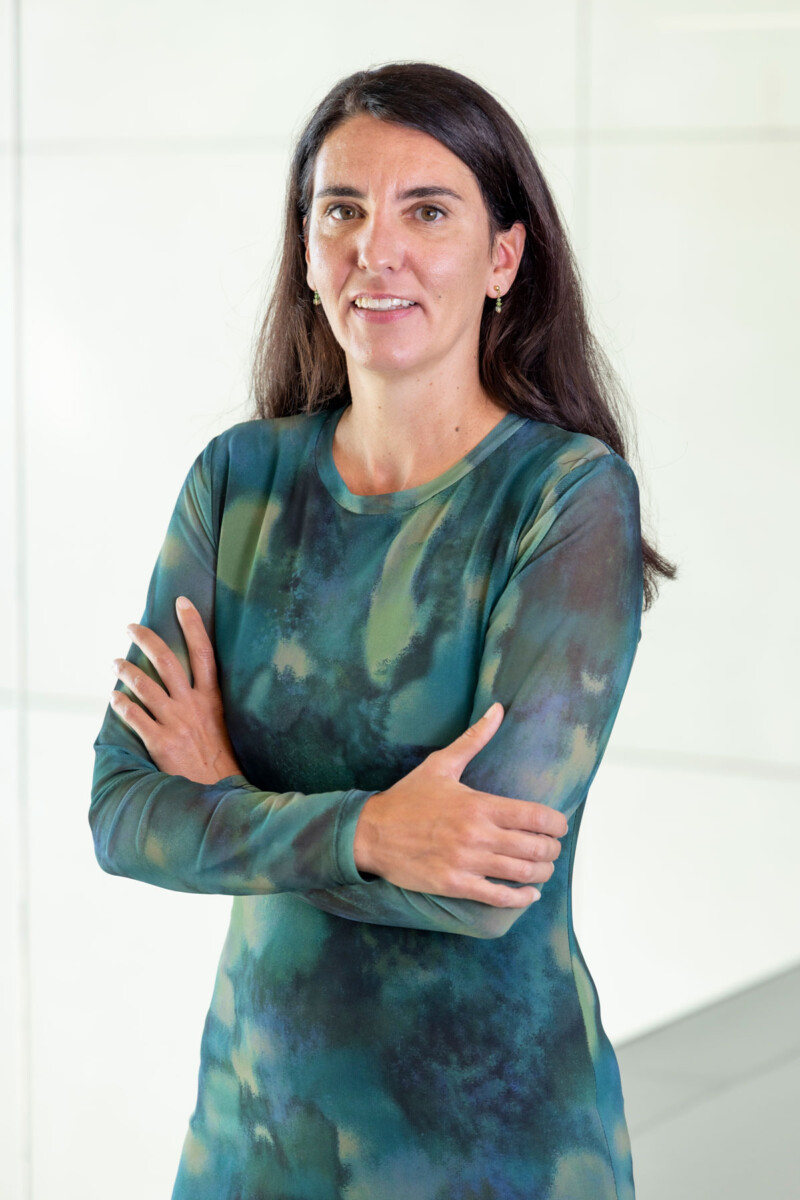
    In an environment characterised by constantly evolving risks and increasingly stringent European regulatory requirements, particularly in the areas of cybersecurity and organisational resilience, the LNS has developed a structured approach to risk management integrated into its governance framework.

    This approach aims to ensure business continuity, protect resources, maintain the quality of services, and achieve the organisation’s strategic objectives. To this end, the LNS has implemented a risk management policy based on the principles of anticipation, risk control, and continuous improvement.

    Reporting directly to Management, the Risk Manager coordinates the risk management framework in close collaboration with all LNS Departments. The Risk Manager oversees the identification, assessment, and treatment of risks that may affect the organisation’s activities.


  • Yannick Kirschhoffer

    Yannick Kirschhoffer

    Head of service
    Information Technology (IT) service
    Operations

    IT

    The LNS Information Technology (IT) Service plays a central role in the smooth operation of the institution. In addition to implementing and administering the systems and networks essential to the LNS’s activities while ensuring a high level of security, the IT Service develops and adapts digital tools to meet the needs of the laboratory’s various areas of expertise. It also manages the integration of external solutions and supports users through targeted training, thereby facilitating the adoption and optimisation of these tools.

    The IT Service also coordinates the relationship between the LNS and the services provided by the Government IT Centre (Centre des technologies de l’information de l’État – CTIE), thereby ensuring effective interconnectivity. It also ensures the security and confidentiality of electronic exchanges between the laboratory and other stakeholders in the healthcare sector by implementing secure data transmission solutions.

    Finally, the IT Service acts as a key point of support for all LNS users. It provides responsive technical assistance through its helpdesk, both for internal employees and external clients, ensuring an optimal level of service.


  • Quentin Roger

    Quentin Roger

    Data Protection Officer (DPO)
    Direction

    Data Protection

    The Data Protection Officer (DPO) is responsible for the protection of personal data within the LNS. In this capacity, the DPO ensures that the LNS processes the personal data of its patients, employees, and suppliers in compliance with applicable data protection requirements.

    The DPO has a range of duties and responsibilities, including informing, advising, and supporting all employees of the institution to ensure compliance with the General Data Protection Regulation (GDPR).

    The DPO performs these duties and responsibilities independently and reports to the Director on the LNS’s data protection status.


  • Cecilia Grion

    Cecilia Grion

    Head of service
    Quality Management Service
    Direction

    Quality and Metrology

    The Quality and Metrology Service supports the LNS’s scientific Departments in all matters relating to quality and metrology. This includes the accreditation process, quality training, technical assistance, audits, centralised document management, regulatory compliance, governance of metrology tools and software, coordination of calibrations, equipment management, and compliance with metrological standards.

    Led by highly qualified professionals, the service’s mission is to promote a common foundation and shared understanding across the organisation by providing advice and support while implementing the latest approaches and best practices.

    The service actively promotes a culture of openness, encouraging teams to share their challenges in order to identify common solutions. This approach not only strengthens communication but also helps develop innovative solutions that benefit both our partners and the patients we serve.


  • Sandrine Citerlé

    Sandrine Citerlé

    Executive Secretary
    Direction

    Executive Management Secretariat

    The Executive Management Secretariat plays a central role in the operation of General Management. It manages the Director’s schedule, prepares and follows up on meetings, drafts official documents, and handles correspondence and communications.

    As a key interface between Management, internal teams, and external partners, it ensures smooth communication and compliance with deadlines. It also provides cross-functional support to the administrative services and the Communication Service.


  • Julien Huguin

    Julien Huguin

    Designated Worker
    Direction

    Designated Worker

    The Designated Worker is responsible for ensuring the protection of employees in their working environment, both in terms of occupational safety and health. In accordance with the Grand-Ducal Regulation of 9 June 2006 and Book III of the Labour Code, the Designated Worker identifies and implements the measures necessary to protect employees’ health and prevent occupational risks.

    Their responsibilities include prevention, information, and training activities, as well as establishing the necessary safety organisation and resources to protect employees. This role also involves active collaboration with various national institutions, including the Labour and Mines Inspectorate (Inspection du Travail et des Mines – ITM), the Ministry of Health and Social Security, the Accident Insurance Association (Association d’assurance accident – AAA), the Radiation Protection Division, and emergency services, all of which are involved in occupational health and safety.